

Photography is far more than just pressing a button to freeze a moment in time. It’s a powerful fusion of art, science, and storytelling—a way to preserve memories, communicate messages, and see the world through a different lens. Whether you’re capturing the raw emotions of a wedding, the dramatic landscape of a sunset, or the simple beauty of everyday life, photography helps us connect, reflect, and remember.
A Brief History of Photography
The journey of photography began in the early 19th century. The first permanent photograph was taken by Joseph Nicéphore Niépce in 1826 using a process called heliography. A few years later, Louis Daguerre introduced the daguerreotype, the first practical photographic process.
By the late 1800s, photography evolved with the invention of film and cameras became more accessible. The 20th century witnessed a revolution with the introduction of color photography, and eventually, the digital age in the late 1990s transformed everything. Now, photography is not only a profession or an art form—it’s part of everyday life.

What Makes Photography Unique?
Photography is unique because it blends:
- Technical knowledge (exposure, aperture, ISO, lighting)
- Creative vision (composition, perspective, emotion)
- Storytelling (narrative, mood, and context)
- Technology (cameras, editing software, printing techniques)
Each photograph can be a standalone story, a message, a piece of art, or evidence of an event—its impact depends on the photographer’s intent and the viewer’s interpretation.
Types and Genres of Photography
There are numerous genres in photography, each requiring its own skills, tools, and creative direction. Here are some of the most common:
a. Portrait Photography
This involves capturing the personality and mood of an individual or group. It’s about more than just faces—it’s about expression, lighting, and context.
b. Landscape Photography
Focused on capturing natural or urban environments, this genre emphasizes light, weather, and composition to highlight the beauty of the world.
c. Street Photography
Candid and spontaneous, street photography reflects the raw, unscripted nature of everyday life in public spaces.
d. Event Photography
From weddings to corporate events, this form captures important moments and emotions, usually in dynamic and unpredictable settings.
e. Product & Commercial Photography
Used for advertising and marketing, it involves presenting items (products, food, fashion) in the most appealing way possible.
f. Wildlife and Nature Photography
This genre requires patience and technical skill to capture animals and the natural world in their most genuine state.
g. Documentary Photography
A visual form of journalism, it captures real events, issues, or cultures, often with a social or historical significance.
h. Fashion Photography
Used in campaigns, magazines, and runways, fashion photography highlights clothing, style, and aesthetic appeal.
i. Fine Art Photography
This is where photography crosses over into the world of conceptual and expressive art. It’s less about documenting and more about creating emotion and provoking thought.
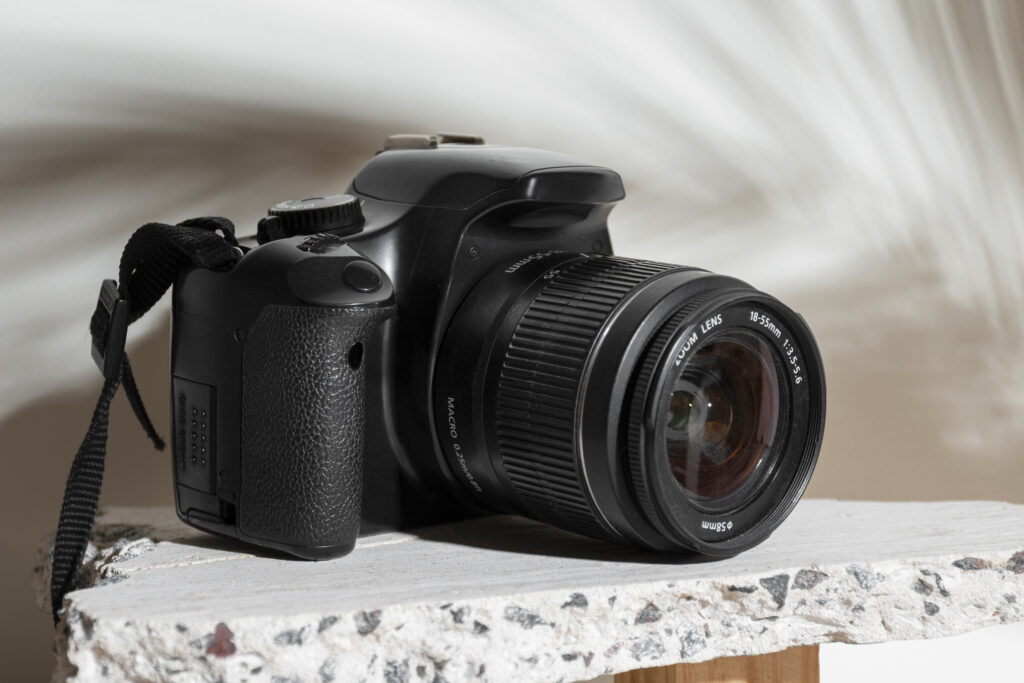
Technical Aspects of Photography
Mastering photography requires an understanding of technical principles:
a. Exposure Triangle
- Aperture – controls how much light enters the camera and affects depth of field.
- Shutter Speed – determines how long the sensor is exposed to light.
- ISO – controls the camera’s sensitivity to light.
Balancing these three factors helps you get the correct exposure and achieve different creative effects.
b. Composition Techniques
Good composition draws the viewer’s eye to the subject and creates a pleasing image. Techniques include:
- Rule of thirds
- Leading lines
- Framing
- Symmetry and patterns
- Negative space
c. Lighting
Lighting is arguably the most important element in photography. It defines mood, depth, and clarity. Photographers often work with:
- Natural light (sunlight, window light)
- Artificial light (flash, studio lights)
- Modifiers (reflectors, diffusers, softboxes)
d. Editing and Post-Processing
Modern photography often involves some degree of editing using software like Adobe Lightroom or Photoshop. Editing allows for:
- Color correction
- Exposure adjustments
- Retouching
- Enhancing or minimizing elements
However, the goal of editing should be to enhance—not fake—the photograph.
Conclusion
Photography is not just about capturing pictures—it’s about seeing the world differently. It’s a lifelong journey of learning, feeling, and storytelling. Whether you’re a beginner exploring camera settings or a professional chasing the perfect light, photography remains one of the most powerful tools for expression and connection in the modern age.